RESEARCH / MEMORY, IDENTITY & EDUCATION
What silence
passes on.
I explore how historical memory, family narratives, and public images shape identity across generations.
A study of Holocaust memory and family education.
a question that stayed with me.
RESEARCH PAPER
Between Silence & Storytelling
Intergenerational Transmission of Holocaust Trauma and Identity through Family Education
HARRIS ZHANG
SILENCE / IDENTITY / FAMILY EDUCATION
04
QUESTION / EVIDENCE / INTERPRETATION / REFLECTION
FOLLOW THE QUESTION ↓
READING GUIDE
Five parts, one inquiry.
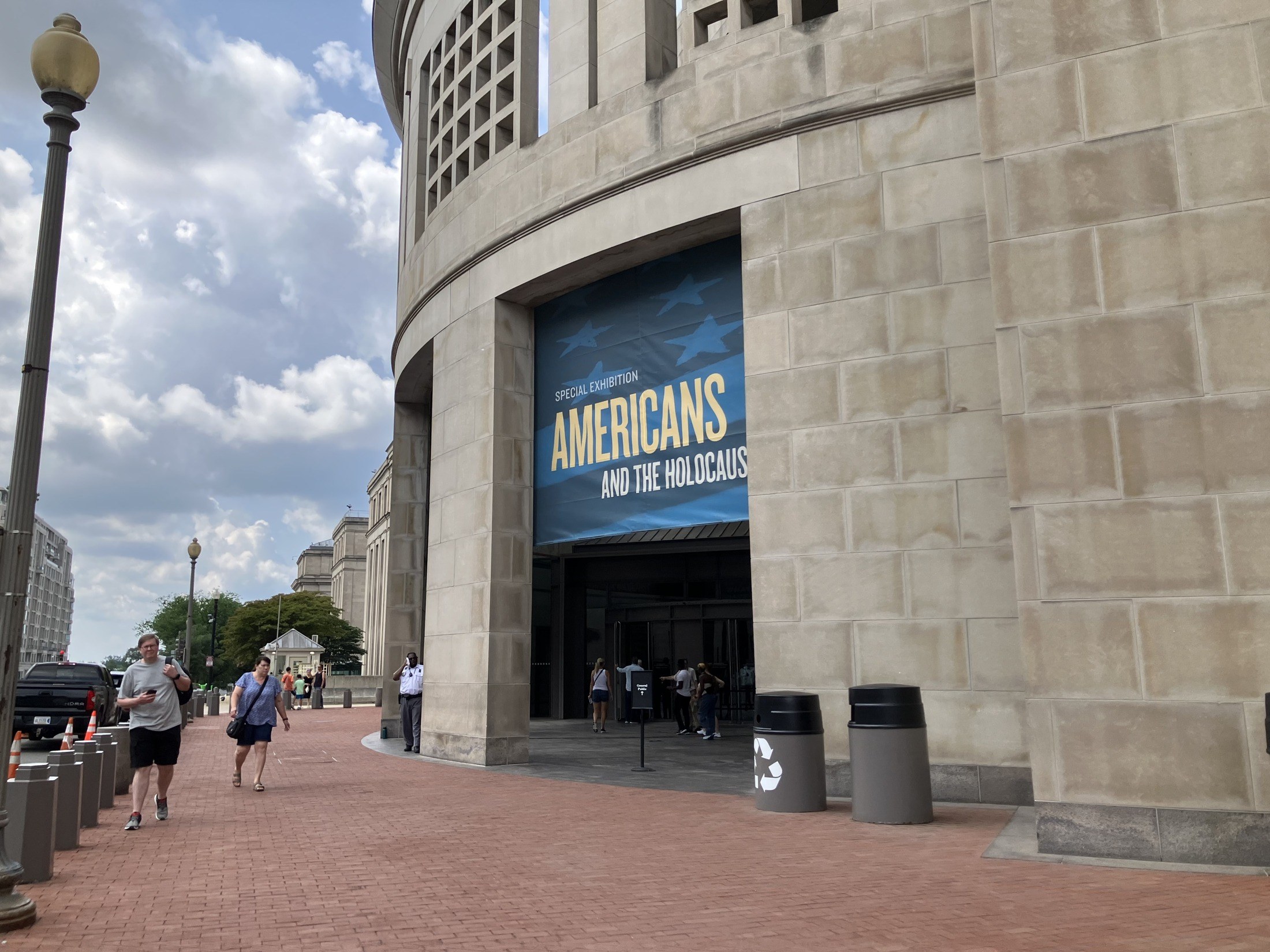
01 / Museum visit — Washington, D.C., summer 2025
01 / RESEARCH QUESTION
From an image to a question.
Producing a Tiger Talk episode on the Israeli–Palestinian conflict led me to explore Jewish history and the legacy of the Holocaust. At the Holocaust Museum in Washington, D.C., in summer 2025, I began asking how a historical event is carried into family life, long after the event itself.
THE CENTRAL QUESTION
How are Holocaust memories and identities passed on through family education?
02 / THREE THEMES
Three ways of reading memory.
Three lenses guide my qualitative reading of family narratives and public memory.
01
SILENCE AS MEMORY
What isn't said.
I examine how pauses, emotional atmosphere, and fragmented stories can communicate a family's past.
SILENCE / EMOTION / FRAGMENTS
02
IDENTITY ACROSS GENERATIONS
Who we become.
I explore how inherited memories, cultural symbols, and historical imagination shape a sense of identity.
INHERITANCE / SYMBOLS / IDENTITY
03
PUBLIC NARRATIVE & MEDIA
History, in public.
I consider how films, museums, and memorial practices shape the way younger generations encounter history.
FILM / MUSEUMS / MEMORIAL CULTURE
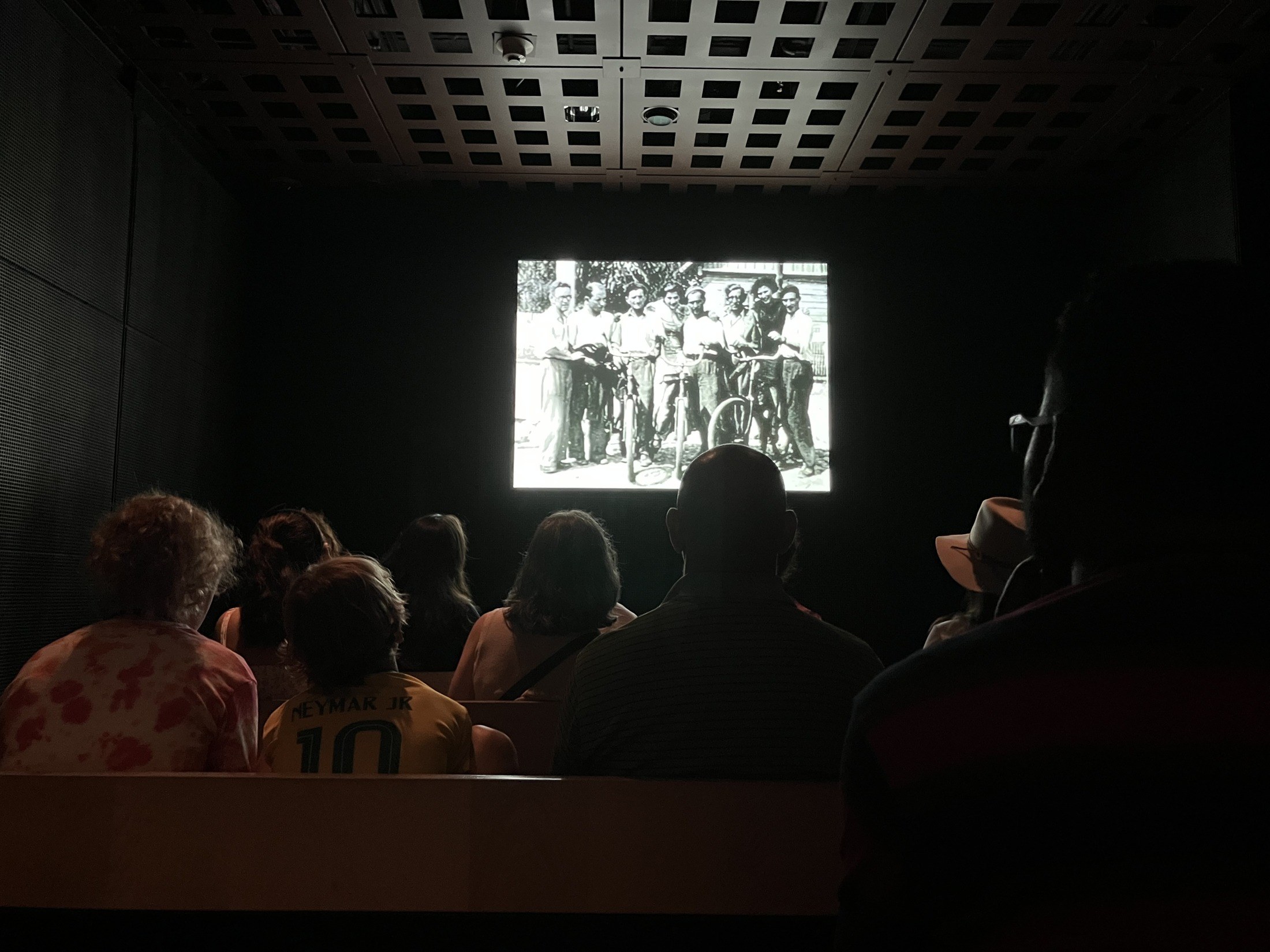
02 / A museum encounter with public memory
PUBLIC MEMORY / PERSONAL QUESTIONS
Public histories. Private memories.
The museum visit moved my attention from the images we see in public to the memories carried at home. How do these two kinds of storytelling meet?
03 / METHODS & SOURCES
How I approached the question.
Conversations, close reading, and a theoretical lens — moving between lived memory and the texts that preserve it.
RESEARCH NOTES / QUALITATIVE INQUIRY
01
Field conversations
Oral history interviews with descendants of Jewish survivors in Foshan.
02
Close reading
Survivor memoirs, interview transcripts, and cultural narratives.
03
Interpretation
Qualitative textual analysis through postmemory and family education.
listening closely, reading between the lines.
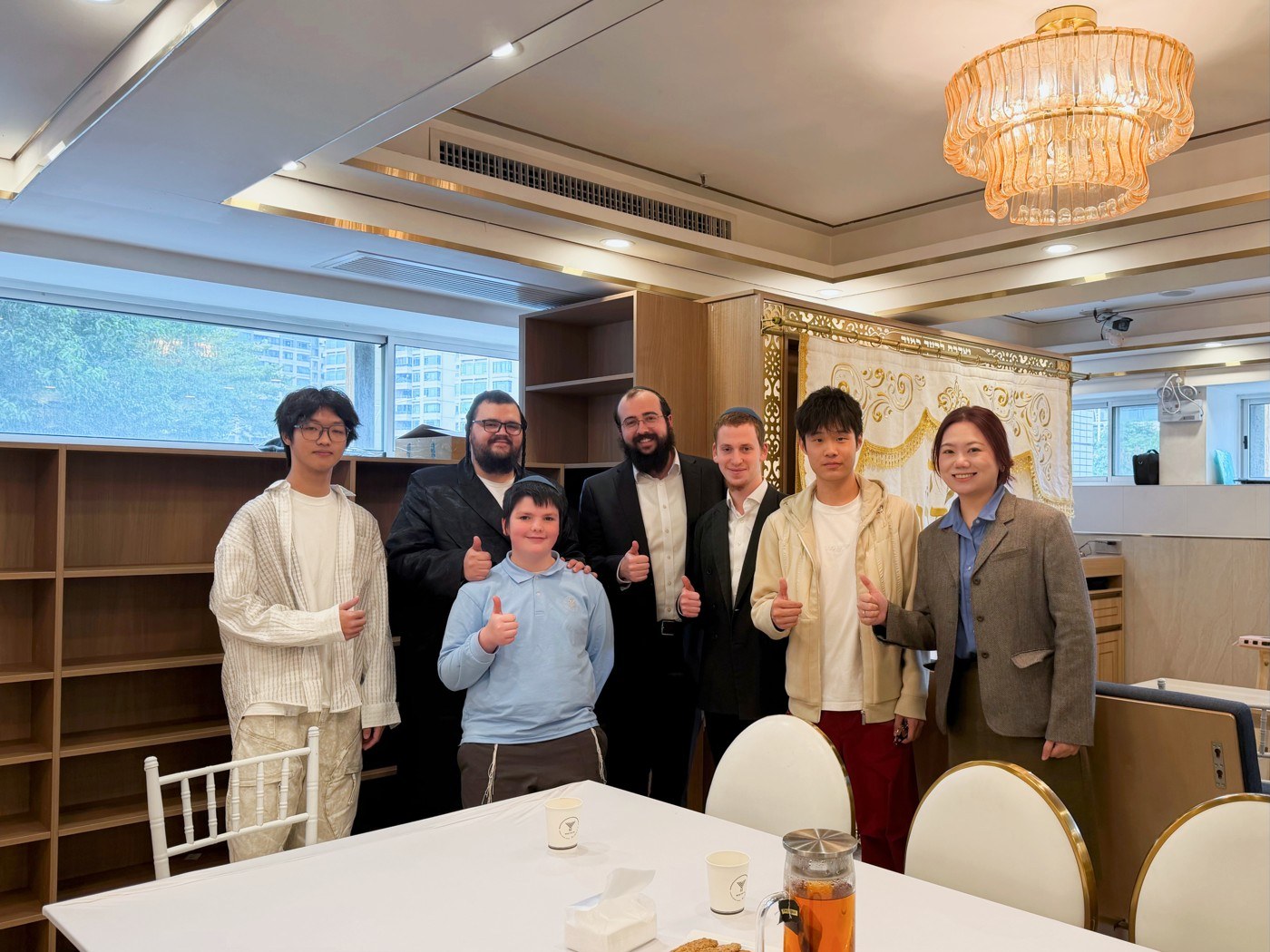
03 / Conversations in Foshan — fieldwork
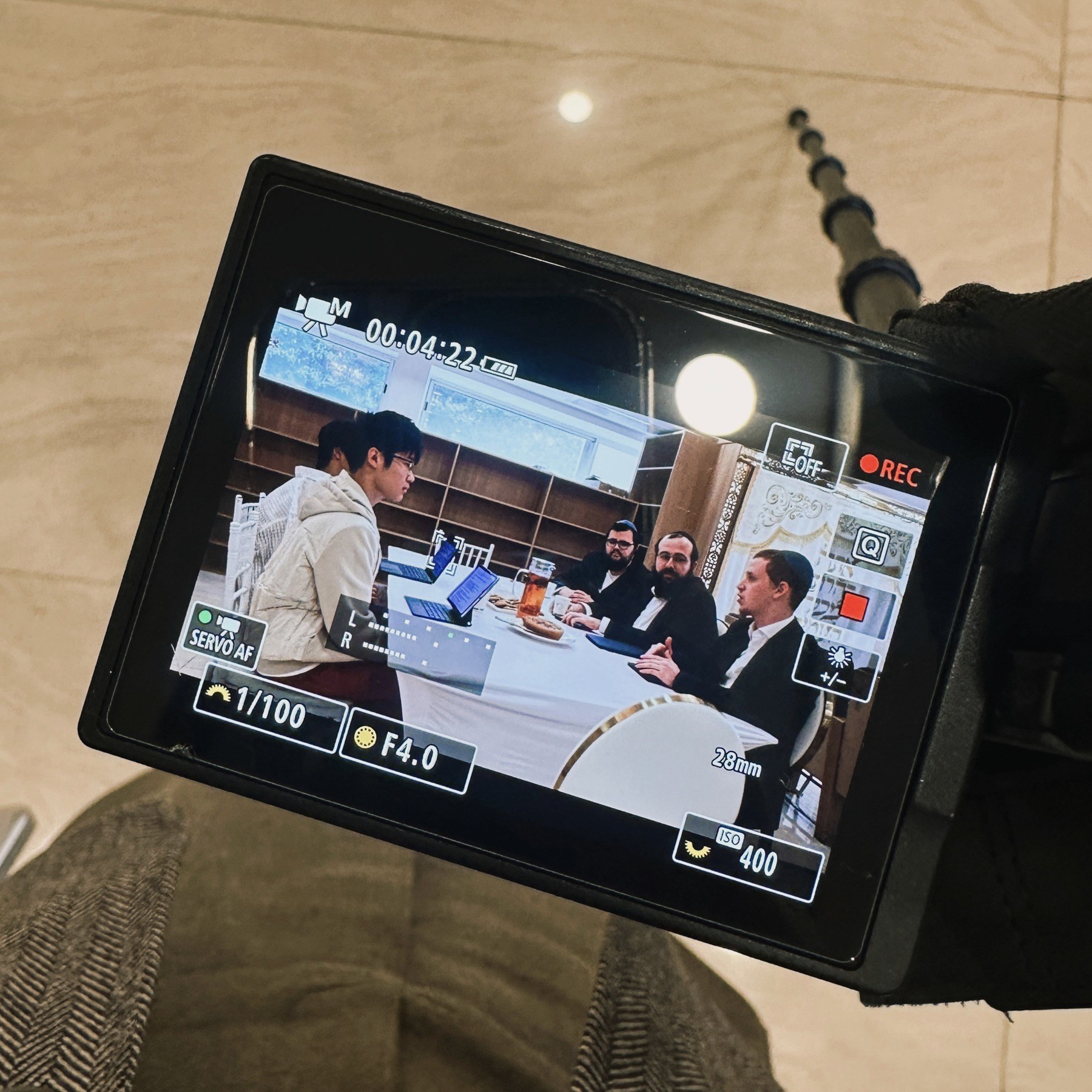
04 / From the interview process
04 / REFLECTION & CONCLUSION
Memory is carried in more than words.
In this study, I read silence, emotional restraint, and fragmented stories as possible forms of implicit education within families.
My paper connects these forms of memory with historical consciousness, identity, and an understanding of prejudice.
SCOPE & NEXT QUESTIONS
The question stays open.
This paper is centered on textual analysis. Future work could compare more family narratives and follow memory across later generations.
05 / THE PAPER
The full argument.
A closer look at the ideas behind the research.
READING PREVIEW / ADAPTED SUMMARY
Between Silence and Storytelling: Intergenerational Transmission of Holocaust Trauma and Identity through Family Education
Harris Zhang
SUMMARY
This paper explores how traumatic memory and identity are transmitted across generations through family education. Drawing on survivor narratives and the concept of postmemory, it considers silence, emotional restraint, fragmented storytelling, and public cultural narratives as ways the past may be carried into later lives.
KEYWORDS / POSTMEMORY · IDENTITY · FAMILY EDUCATION
Read the full paper
↗
Between Silence and Storytelling
Intergenerational Transmission of Holocaust Trauma and Identity through Family Education
AUTHOR
Harris Zhang
APPROACH
Qualitative textual analysis
FOCUS
Memory, identity & family education
View research paper ↗
Full text · Read online
Keep exploring.
Back to my stories ↗